
Why is the future moving in Slow Motion?

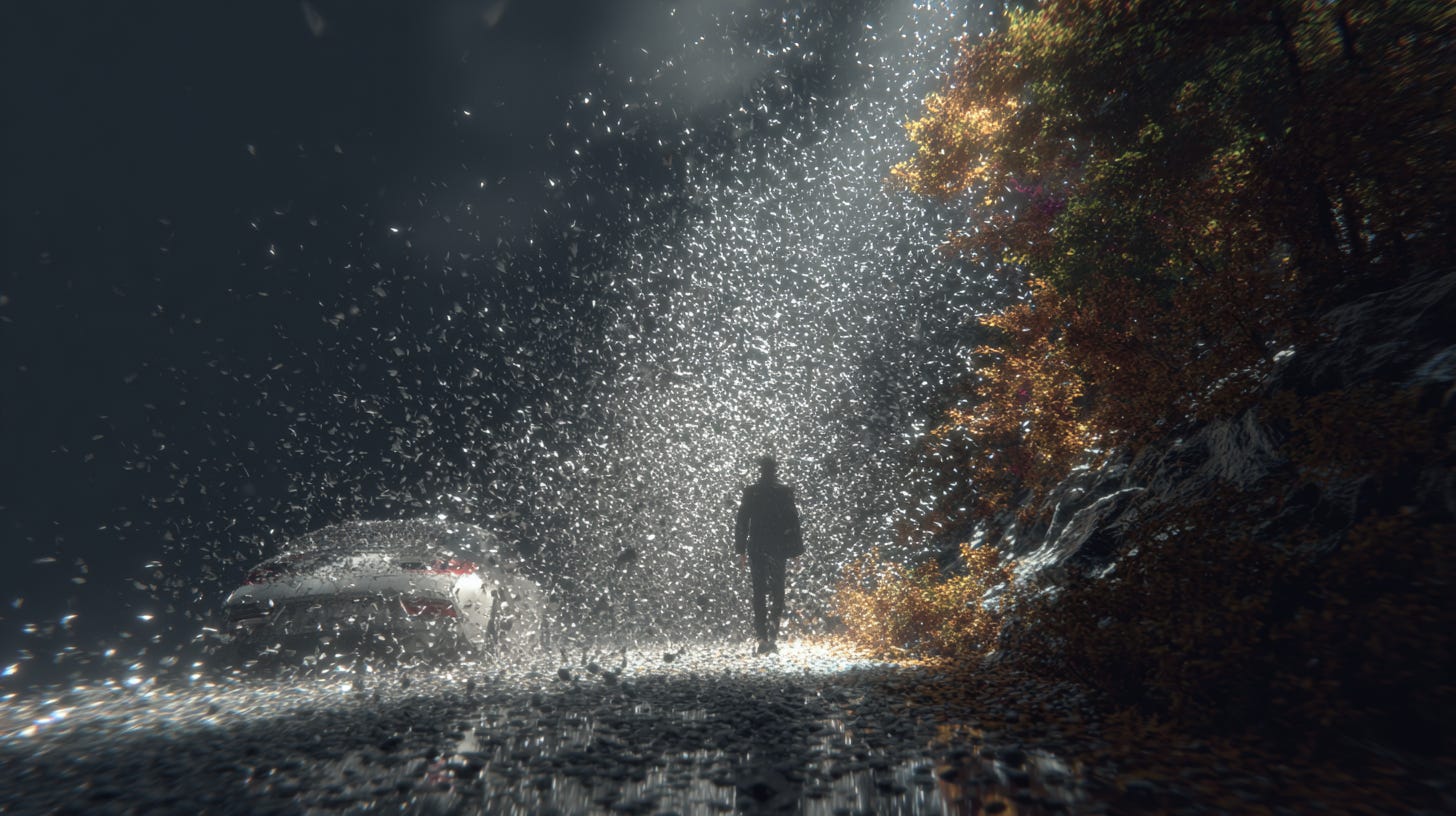
Scroll through Twitter/X right now. Look at the “AI Films.” What do they all have in common?
They are all in slow motion.
Every clip is a slow, dreamlike pan. Every character is staring into the middle distance, blinking slowly. It’s not cinema; it’s a screensaver.
Why is this happening? Technically? Because current models (Kling, Gen-3, Sora) struggle with high-frequency temporal consistency. Real-time motion reveals the jitters. Slow motion hides the crimes.
Artistically? Because it’s easy. Slow motion feels “cinematic” to people who haven’t studied cinema. It feels “epic” without having to earn it.
The “Film Society” Standard The challenge for us isn’t generating a pretty image. Midjourney solved that last year. The challenge is pacing.
If you want to impress me, don’t show me a 10-second slow-mo generated clip. Show me a hard cut. Show me dialogue that matches the lips. Show me a character walking with purpose, not just floating through a dreamscape.
The “Uncanny Valley” isn’t our biggest problem anymore. Boredom is.
Next week, we’re going to break down a workflow for generating real-time action that doesn’t fall apart.
Until then, speed up your timeline.
— Sam